
After Hyderabad Doctor Sivaranjani’s Outcry, FSSAI Bans Misuse of ORS Label
Hyderabad Doctor’s Crusade Forces FSSAI to Limit ‘ORS’ Label to WHO Formulas
FSSAI Cracks Down: ‘ORS’ Label Now Reserved for WHO-Standard Formulas
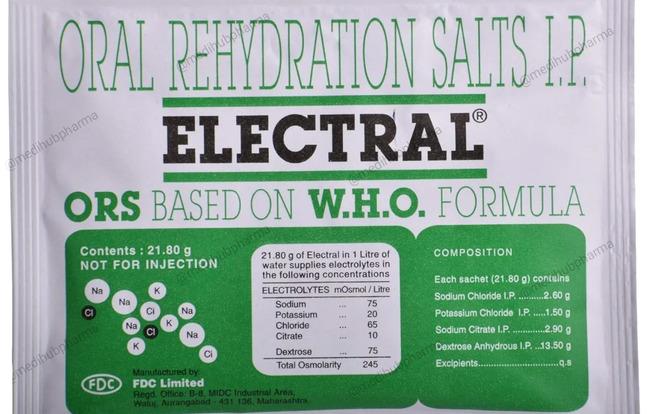
In a major policy reversal aimed at safeguarding children’s health, the Food Safety and Standards Authority of India (FSSAI) has banned the use of the term “ORS” (Oral Rehydration Salts) on all food and beverage products that do not conform to the World Health Organization’s (WHO) approved formula.
The directive, issued on October 14, 2025, nullifies earlier relaxations that allowed brands to use “ORS” in their product names with disclaimers. The latest order mandates that only WHO-standard formulations can be marketed as “ORS,” calling all other uses “false and misleading labelling.”
Why the Sudden Shift
The decision follows a storm of public outrage triggered by a viral video from Hyderabad-based paediatrician Dr. Sivaranjani Santosh, who accused regulatory bodies of negligence in preventing child deaths linked to mislabelled “ORS” substitutes.
In her widely shared post, Dr. Sivaranjani slammed authorities for allowing high-sugar electrolyte drinks to be sold under the guise of oral rehydration solutions, warning that “children are dying because of this dangerous confusion.”
Her comments came after years of regulatory uncertainty. The FSSAI had previously issued and later relaxed restrictions on “ORS” branding—citing legal pushback from companies invoking trademark protections under the Trademark Act, 1999.
Protecting Consumers From Deceptive Brands
Under the new order, food business operators have been instructed to immediately remove “ORS” from product names, labels, and marketing materials, regardless of any prior trademark approvals. Products like ORSL, Rebalanz, ORSFIT, and others that mimic medical formulations will now face scrutiny for deceptive branding.
FSSAI officials said the move was necessary to “eliminate consumer confusion and ensure that only WHO-approved formulations are used in life-saving rehydration therapy.”
The Larger Health Crisis
Medical professionals have long warned that non-WHO “ORS” products—often loaded with sugar or additional nutrients—can worsen dehydration in children suffering from diarrhoea. Dr. Sivaranjani Santosh stressed that such cases often go undocumented because deaths are recorded as “due to diarrhoea,” masking the role of misleading substitutes.
Calling for greater accountability, she urged paediatricians to document the fluids administered to children in diarrhoeal cases, saying this data is vital to expose the hidden toll of unsafe formulations.
Industry and Public Response
While the health community welcomed the FSSAI’s decision, several beverage companies are reportedly considering legal appeals, arguing that the directive disrupts existing trademarks and established markets. Consumer rights groups, however, hailed the move as a long-overdue correction to protect vulnerable consumers—especially children.
With the controversy reigniting debate on the overlap between food regulation and drug safety, the FSSAI’s latest action marks a crucial step toward tightening India’s labelling standards and restoring public trust in health-related products.


